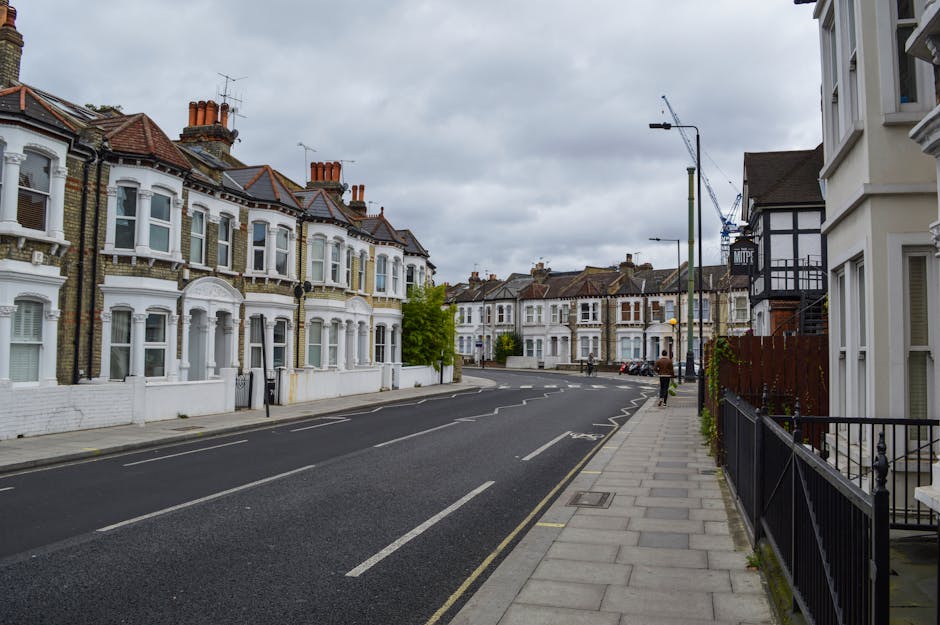
SW6 council permit rules for Fulham removals: a practical guide for stress-free moving
Moving home in Fulham can feel straightforward right up until the van arrives and you realise the street is tighter than expected, the bays are busy, and parking is suddenly the bit that matters most. That is where SW6 council permit rules for Fulham removals come in. If you are planning a flat move, a house move, or even a small man-and-van job in the SW6 area, understanding permits, loading restrictions, and local parking expectations can save you money, time, and a fair bit of frustration.
Truth be told, most moving delays are not caused by boxes or bubble wrap. They happen outside the front door. In this guide, we break down how permit rules typically affect removals in Fulham, what to check before move day, and how to avoid the classic mistakes that can turn a smooth relocation into a slow crawl around the block.
Why SW6 council permit rules for Fulham removals matters
Fulham is one of those places where a move can look easy on paper and then become slightly awkward on the pavement. Residential streets, controlled parking zones, busy school runs, narrow frontages, permit bays, and suspended spaces can all affect how long a vehicle may stay and where it can stop. For removals, that matters because time on the kerb is not just convenient; it is operationally critical.
When a removal vehicle cannot park close enough to the property, every item takes longer to load. That means more trips, more handling, more lifting, and more chance of damaging walls, banisters, or furniture. It can also lead to avoidable parking penalties if the vehicle is left somewhere it should not be. Nobody wants to be dealing with a stressed mover, a blocked doorway, and a parking ticket at 8:10 on a wet Tuesday morning.
In practice, local permit rules are there to manage road space, loading, and access fairly. For you, the moving customer, the real value is predictability. If you know what is needed in advance, you can plan the van size, the arrival window, the packing order, and whether you should split the move into two runs or use a larger vehicle such as a removal van or moving truck. That planning is often the difference between a tidy move and a messy one.
Key point: permit awareness is not just paperwork. It directly affects access, timing, cost control, and how calmly the day unfolds.
How SW6 council permit rules for Fulham removals works
Let's keep this plain English. In Fulham, you may need to consider parking controls, loading restrictions, resident bays, visitor bays, shared-use spaces, yellow lines, and any temporary suspension or special permission that applies to the street on the day of the move. The exact requirement depends on the road, the time, the size of the vehicle, and what activity is taking place.
For removals, there are usually three practical questions to answer:
- Can the vehicle legally stop close enough to load and unload?
- Does the stop require a permit, dispensation, or pre-arranged parking approval?
- Is there enough time allowed for the move without overstaying the space?
That might sound administrative, but it is very real on move day. A crew arriving with man and van support, for example, needs efficient access. If the street allows only a limited loading period or if parking is scarce, the whole job can slow down quickly.
Most people also overlook the practical side of access. A permit may solve the parking issue, but it does not magically widen a terrace road or remove tight turns. If the property is on a busy stretch, a smaller vehicle or split load may be more sensible than trying to force a larger lorry into a space that simply is not built for it.
One useful habit is to map the route from vehicle to front door before moving day. If you need to carry items through a communal hallway, up stairs, or around awkward corners, allow for extra time. That sounds obvious, but in the rush of moving week, obvious things get missed all the time.
Key benefits and practical advantages
Getting the permit side right has a few immediate benefits, and they are not small ones.
- Less risk of fines: staying within the local parking rules helps avoid unnecessary penalties.
- Smoother loading: a vehicle positioned well can load faster and safer.
- Better timekeeping: fewer parking problems mean fewer delays and less overtime pressure.
- Lower handling risk: shorter carrying distances reduce the chance of damage or injury.
- Less stress: and honestly, that matters more than people admit.
There is also a commercial benefit if you are comparing moving options. A move that appears cheaper on paper may become more expensive once parking headaches, waiting time, or extra labour are factored in. That is why clear planning is part of smart buying, not just admin. If you are comparing quotes, it helps to look at the wider service too, including things like removal services, home moves, and any packing support you may need from packing and boxes.
Another advantage is neighbour relations. In a place like Fulham, where streets can feel close-knit and parking is always at a premium, a move that is planned carefully tends to cause less disruption. That makes everything feel a bit more civilised. A small thing, maybe, but very noticeable.
Who this is for and when it makes sense
This topic matters to anyone moving in or out of SW6, but it is especially relevant if your property sits on a controlled street or in a busy residential pocket where stopping space is limited. It is also important for landlords, tenants, flat owners, office managers, and anyone arranging a move in a building with shared access.
You are likely to need to think carefully about permit rules if you are:
- moving from a flat with no private driveway;
- living on a street with resident-only parking;
- booking a larger removal vehicle;
- moving during a busy time of day or a weekday;
- handling a same-day or short-notice move;
- moving office stock or equipment in a commercial area;
- dealing with bulky items like wardrobes, sofas, or a piano.
If that sounds like your situation, you are not being overcautious by checking parking controls early. You are being sensible. The same applies if you are using flat removals services, where access can be the hardest part of the job, not the furniture itself.
Students often run into this too, especially when moving in and out of shared houses around the borough. A lightweight move can still become complicated if the van cannot stop nearby. That is why student removals are rarely as simple as they first look. Small move, big parking problem. Happens all the time.
Step-by-step guidance
Here is a practical way to approach a Fulham move without getting tangled in parking stress.
-
Check the street and property access early.
Look at the road layout, bay markings, loading restrictions, and whether the property fronts directly onto the street or sits behind a communal entrance.
-
Match the vehicle to the access.
A smaller vehicle can be the smarter choice where roads are tight. If you have a large volume of items, consider whether a larger van or truck is genuinely needed, or whether two smaller loads may work better.
-
Ask about parking requirements before the booking is final.
Do not leave this until the week of the move. If the vehicle may need special access or a legal place to stop, it is better to sort that out early and avoid last-minute panic.
-
Build time into the schedule.
Parking, stairs, lift waits, and key handovers all eat time. A move that looks like a three-hour job on paper may need a wider window in real life. That's normal.
-
Pack for speed.
Label boxes clearly, keep essentials separate, and avoid loose items that slow down loading. If you need help, packing and unpacking services can remove a lot of friction from the day.
-
Protect the property as well as the cargo.
Hallways, door frames, and stair corners are often where small scrapes happen. A good moving plan includes floor and wall protection, especially in older Fulham buildings.
-
Keep documents and contact details to hand.
It helps to have booking confirmation, parking notes, access instructions, and the building manager's contact details available in one place.
If you are moving a home rather than a flat, or handling a larger family move, you may also want to compare the setup with house removals or house removalists options. The bigger the move, the more valuable proper access planning becomes.
Expert tips for better results
After enough moves, certain patterns become obvious. The good ones usually share the same features: early planning, simple communication, and a realistic view of the street outside the property.
- Do a quick "front door test" the day before. Stand outside and imagine the vehicle arriving. Where would it stop? Would pedestrians still pass safely? Could the crew carry a sofa without blocking the road?
- Assume the street will be busier than you expect. Fulham mornings can fill up quickly. School drop-offs, deliveries, and commuting traffic all compete for the same space.
- Choose your move time with care. Early starts often work better than late ones because parking is usually easier before the street wakes up. Not always, but often enough to matter.
- Use the right vehicle size. Bigger is not automatically better. Sometimes a nimble vehicle is the difference between one efficient load and a frustrating stand-off with a narrow road.
- Keep bulky items together. Grouping furniture, white goods, and fragile items separately makes loading far more controlled.
One small but important tip: keep a cushion of time for the unexpected. A missing key, a slow lift, or a neighbour's car in the loading spot can appear out of nowhere. That is life, really. Building in ten or fifteen minutes of breathing room makes the whole day feel less brittle.
If you need somewhere to keep items while parking and access issues are being worked through, storage can be a practical bridge between properties. It is not glamorous, but it solves more problems than people give it credit for.
Common mistakes to avoid
The most common mistakes around SW6 council permit rules for Fulham removals are usually simple, which is exactly why they catch people out.
- Leaving parking checks too late. If the move is next week, you may already be behind.
- Assuming a van can stop anywhere for "just a few minutes." That assumption can become expensive very quickly.
- Underestimating loading time. A well-packed flat can still take time when stairs and parking are involved.
- Booking the wrong size vehicle. Too small means multiple runs. Too big means parking stress.
- Forgetting building restrictions. Some blocks have loading bays, concierge rules, lift bookings, or move-in windows that matter just as much as street parking.
- Not telling the mover about awkward access. If there is a long carry, steep steps, or a narrow entrance, say so upfront.
Another one: ignoring weather. A wet Fulham street, shiny tarmac, and a long carry from the nearest legal stop can turn a manageable move into a slippery little workout. It sounds minor until you are the one carrying a wardrobe in the rain.
Tools, resources and recommendations
You do not need a complicated toolkit, but a few simple things make the process much easier.
- A printed or saved move plan: addresses, key times, contact names, and access notes.
- Clear labels: room labels and fragile markers save time on unloading.
- Basic measuring tape: useful for checking whether bulky furniture will pass through doors and hallways.
- Floor and corner protection: especially helpful in shared entrances and older properties.
- Spare bags and tape: because something always needs securing at the last minute.
From a service perspective, it is worth reviewing pricing and quotes carefully so you understand what is included. A quote that looks attractive may not include waiting time, access complexity, or extra handling. Better to ask clean questions now than argue later. Nobody enjoys that conversation.
For bigger projects, commercial moves and office removals can involve additional parking and timing constraints, especially if staff, equipment, and public access all need managing at once. If the move is business-critical, access planning deserves even more attention than usual.
Law, compliance, standards, or best practice
This area is about practical compliance rather than legal theory. Local parking and loading rules are set to keep roads safe and usable, and removal teams are expected to work within them. That usually means respecting signed restrictions, not blocking entrances, and arranging access in a way that does not create hazards for pedestrians, residents, or other road users.
Best practice for Fulham removals includes:
- checking access and parking conditions before the day of the move;
- using a vehicle appropriate for the street and load size;
- keeping loading and unloading as efficient as possible;
- protecting building surfaces and shared spaces;
- following any building management or landlord instructions;
- making sure the move plan is clear to everyone involved.
It is also sensible to choose a provider that treats safety seriously. You can review details such as insurance and safety and the company's health and safety policy before booking. That does not solve parking on its own, but it does tell you a lot about how the job will be handled.
Where sustainability matters, especially if you are decluttering before a move, the company's recycling and sustainability approach can be useful too. A move is often the moment people finally let go of the extra chairs, half-used storage boxes, and the mysterious cable drawer. We have all got one.
Options, methods, or comparison table
Different move types create different permit and access needs. This quick comparison can help you decide which setup is likely to work best.
| Move type | Typical access challenge | What to think about | Best fit |
|---|---|---|---|
| Small flat move | Limited kerb space and shared entrances | Short loading time, compact vehicle, clear staircase access | Flat removals |
| House move | More volume, larger furniture, longer loading time | Vehicle size, parking position, protection for floors and doors | House removals |
| Student move | Short notice, mixed access, lots of boxes | Quick loading, flexible timing, fewer trips | Student removals |
| Office relocation | Business access, equipment, time pressure | Parking control, lift booking, minimal disruption | Office relocation services |
| Bulky-item move | Heavy lifting and longer carry distances | Safer handling, suitable vehicle, extra crew if needed | Furniture removals |
The table is only a guide, of course. Real streets can be messier than the categories suggest. Still, it helps to think in terms of access demand: the more fragile, bulky, or numerous the items, the more important the permit and parking setup becomes.
Case study or real-world example
Here is a typical Fulham scenario. A couple moving from a first-floor flat in SW6 booked a mid-size van for a Saturday morning. On paper, it looked easy: one bedroom, one sofa, a few shelves, boxes, and a TV. But the street had resident parking, nearby construction, and very little kerb space. The first plan was to park close to the entrance and finish quickly. In reality, that spot was already taken.
Instead of forcing it, the move team adjusted the approach. They chose a slightly earlier arrival, used a smaller vehicle that could fit legally in a nearby position, and grouped the load so the heaviest items came out first. The walk was longer than ideal, but the move stayed controlled. No panic, no damage, and no last-minute scramble. It took a bit longer, yes, but it was calm. And calm moves are usually successful moves.
That example reflects the bigger point: the best move is not always the fastest on paper. It is the one that matches the street, the building, and the parking reality. If you are moving with specialist items, such as a piano, the logic matters even more. A service like piano removals depends heavily on access planning, because weight, size, and delicate handling leave very little room for improvisation.
Practical checklist
Use this before move day. It is boring in the best possible way.
- Confirm the full address, postcode, and entrance details.
- Check whether the street has controlled parking or loading restrictions.
- Ask whether the vehicle needs a specific parking arrangement.
- Decide if the move is best handled by a van, truck, or smaller vehicle.
- Note any narrow staircases, lifts, or long carrying distances.
- Book packing support if you are short on time.
- Label boxes by room and priority.
- Keep essentials separate for the first night.
- Protect floors, walls, and door frames.
- Allow extra time for loading and unloading.
- Keep keys, contact numbers, and confirmations easy to reach.
- Double-check any building move-in rules or concierge instructions.
If you are planning a bigger move and want to compare service styles, you may also want to review removals, removal services, or even same-day removals where timing is tight. Just remember: the more compressed the schedule, the more parking access matters.
Get a free quote today and see how much you can save.
Conclusion
SW6 council permit rules for Fulham removals are not the glamorous side of moving, but they are one of the most important. Get the parking and access side right, and the rest of the move tends to settle down. Get it wrong, and even a simple relocation can turn into a day of waiting, carrying, and unnecessary stress.
The good news is that a bit of preparation goes a long way. Check the street, choose the right vehicle, allow enough time, and make sure everyone knows the access plan. If your move feels complicated, that is usually a sign to simplify the logistics rather than push through and hope for the best. A sensible plan will always beat a rushed one.
And honestly, that is the spirit of a good Fulham move: calm, organised, and just a little bit flexible when the street decides to test you.
Frequently Asked Questions
Do I always need a permit for removals in Fulham SW6?
Not always. It depends on the street, parking restrictions, the vehicle size, and how long the vehicle needs to stop. Some moves can be handled within existing loading arrangements, while others need a permit, dispensation, or careful timing.
How far in advance should I check parking rules before a move?
As early as possible. Ideally, do it while you are booking the move rather than leaving it until the week before. That gives you more room to adjust the vehicle size, time slot, or loading plan if needed.
What happens if the van cannot park close to the property?
The crew may need to carry items further, which adds time and effort. In some cases, it can also increase the risk of damage or delays. If the access is awkward, tell the mover in advance so the plan can be adjusted.
Are smaller vans better for Fulham removals?
Often, yes, especially on narrow streets or where parking is tight. A smaller van may be easier to place legally and can reduce loading stress. That said, the right choice depends on how much you are moving and how much space you have.
Can I use a man and van service for a SW6 move?
Yes, if the volume of items and the access conditions suit that approach. A man and van service can be a practical fit for smaller or medium-sized moves, especially where quick loading is important.
What should I tell the mover about the property?
Share anything that affects access: parking restrictions, staircases, lifts, long carries, narrow entrances, concierge rules, and the number of boxes or large items. Small details can make a big difference on the day.
Do office moves in Fulham need the same parking planning as home moves?
Yes, and sometimes more. Office moves often involve time pressure, equipment, and business disruption, so access planning is even more important. It is worth thinking ahead if you are arranging office removals.
What if I am moving at short notice?
Short-notice moves are still possible, but they leave less room for parking checks and permit planning. If time is tight, focus on the essentials first: access, vehicle size, loading route, and whether storage could help.
How do I reduce the risk of delays on moving day?
Pack early, label boxes, confirm the vehicle setup, and make sure the access route is clear. A move that is organised before the van arrives is almost always quicker than one that is still being improvised at the kerb.
Is storage useful if parking or access becomes a problem?
Yes. If the move between properties is complicated, temporary storage can help you split the move into manageable stages. That can be especially useful if completion times or access windows do not line up neatly.
What is the best first step if I am not sure about the rules?
Start with the street and the vehicle. Once you know the access conditions, the rest becomes much clearer. If needed, speak to the mover and compare the move against other options such as removal van or removal truck hire depending on the scale of the job.
Can packing help with permit-related delays?
Absolutely. The more organised your boxes are, the faster the loading and unloading will be. That matters when parking time is limited. If you want to speed things up, packing and unpacking services can be a very practical support.