Parsons Green man and van tips for narrow streets
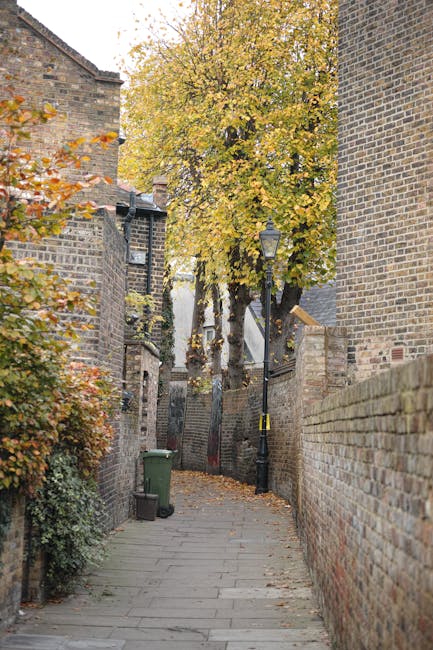
Moving in Parsons Green sounds simple enough until you meet the reality of tight side streets, parked cars, awkward turns, and that one delivery van that seems to have claimed half the road. If you are planning a move, these Parsons Green man and van tips for narrow streets will help you avoid the usual stress and keep the day moving smoothly. The good news? With a bit of local planning, a smaller vehicle, and a sensible loading strategy, even a tricky Fulham move can feel manageable.
This guide is written for people who want practical, local advice rather than vague moving cliches. We will cover how narrow-street moves work, what to check before the van arrives, the mistakes that cause delays, and how to make the whole thing easier on moving day. There is a clear checklist too, because let's face it, when you are standing in a hallway full of boxes, your brain can go a bit foggy.
Why Parsons Green man and van tips for narrow streets Matters
Parsons Green has the kind of streets that can make a straightforward move suddenly feel a bit theatrical. Space is limited, parking can be tight, and on a busy day there is often nowhere to stop "just for a minute". That matters because a move is not only about lifting boxes; it is also about positioning the vehicle, protecting neighbours' access, and keeping your own schedule intact.
In narrow streets, the margin for error is small. If the van cannot park close enough, the carry distance gets longer. If the vehicle is too large, the driver may need to stop further away and work with trolleys or multiple trips. That can add time, create more handling risk, and make fragile items harder to manage. You do not need perfection, but you do need a plan.
There is also the local reality of London living: residents coming and going, cycles, delivery drivers, and road layouts that were never designed around modern removals. A little preparation can prevent the classic moving-day moment where everyone stands outside, looks at the road, and says, "Right... so how are we doing this then?"
Expert summary: In Parsons Green, the best moving days are usually the ones where access is planned before the van arrives, packing is finished early, and the crew knows where they can legally and safely stop.
How Parsons Green man and van tips for narrow streets Works
A good man and van move in a tight area is really a chain of small decisions. First, you choose the right vehicle size. Then you prepare the property and the route. After that, the crew loads in an order that suits the narrow access, not just the order in which boxes happen to be available. Simple in theory. A little more fiddly in real life.
For narrow streets, the driver usually needs to think about three things at once: where to stop, how long they can stay there, and whether the road width allows a safe turn or reverse. In some cases, they may prefer to park slightly away from the property and use a shorter carry route that is safer overall. That sounds less convenient, but it can actually save time if the alternative is repeated repositioning.
This is one reason many people search for a man with van in Fulham or look at broader man and van Fulham services. A smaller, more flexible vehicle can often make narrow streets far less stressful than a bigger removal lorry.
There is also the packing side. If your items are boxed properly and grouped by room, the team can work faster and reduce the number of awkward handovers on a cramped pavement. The company's own guidance on packing your items before pickup and choosing a delivery time that suits you fits neatly into this kind of move.
Key Benefits and Practical Advantages
When you handle a Parsons Green move well, the benefits are not abstract. You feel them on the day. Less waiting around. Fewer strained lifts. Better control over fragile furniture. And, crucially, fewer chances of annoying the street or your neighbours.
- Shorter carry distances: Good parking planning means fewer steps between the door and the van.
- Lower damage risk: Items are moved fewer times and handled more cleanly.
- Faster loading: A clear system keeps the crew working steadily instead of improvising.
- Less disruption: Better access planning helps avoid blocking entrances or clashing with traffic.
- Better value for money: Time saved on manoeuvring is time you are not paying for.
There is another quiet benefit that people forget: calm. Narrow-street moves can become tense if everyone is guessing. But once the plan is set, the job usually becomes much more predictable. You can hear the difference in the mood right away. The day feels organised rather than chaotic, which is half the battle.
If you are still deciding what service level suits you, it can help to compare the broader options on the services overview page and check the practical details in pricing and quotes.
Who This Is For and When It Makes Sense
These tips are especially useful if you live in a terraced street, a converted flat, or a property where access is tight and the vehicle cannot sit directly outside the door. They also help if you are moving during a busy weekday, when parking pressure is higher and patience on the road is thinner. A rainy Tuesday in London? Even more so.
This approach makes sense for:
- flat moves with stair access and limited kerb space
- student moves with multiple boxes but not much furniture
- small house moves where the road is too narrow for a large removal lorry
- same-day or short-notice moves that need quick access decisions
- furniture collections or single-item removals in residential streets
It is also relevant if you are weighing up whether to use a larger removal company or a more agile option. A good middle ground is often a smaller vehicle with experienced movers, especially where you expect tight corners or limited waiting space. For some households, flat removals in Fulham are the most practical fit. For others, a broader removal service may be better if there is more volume and more time pressure.
Step-by-Step Guidance
Here is the part that saves the day. If you do these steps in order, narrow streets stop feeling like an obstacle course and start feeling more like a solvable logistics job.
- Measure the access, not just the room. Note the width of the street, any bends, low branches, speed humps, and places where cars usually park. If you have a large sofa or bed frame, check it against the door and hallway as well.
- Choose the right vehicle size. A smaller van can be the better option when street width is limited. Bigger is not always better. In fact, sometimes it is just bigger.
- Reserve space where needed. If your move relies on a particular stopping point, plan it early and keep the instructions clear. Do not assume the driver will "just be able to pull up".
- Pack by priority and fragility. Keep essentials separate, label boxes clearly, and avoid overloading any one box. That helps with speed and reduces damage if the carry distance is longer than expected.
- Disassemble bulky furniture in advance. Bed frames, table legs, and shelving often make a world of difference. A sofa that is one awkward shape in a hallway can be easy once broken down.
- Clear the route inside the property. Move shoes, plant pots, bins, children's toys, and loose rugs. You want a straight line from room to van.
- Keep parking and timing flexible. Sometimes the best plan is a good plan with a small backup. Have a nearby place to wait, and be ready to adapt if another vehicle has already taken the ideal space.
- Load in a logical order. Heavy items first, awkward items second, fragile boxes last. If there are multiple stops, tell the crew before loading starts.
A small but useful note: take photos of anything already damaged before the move begins. It is a boring admin step, yes, but boring admin is often what saves confusion later.
Expert Tips for Better Results
After enough local moves, a pattern becomes obvious. The jobs that go best are not necessarily the easiest; they are the ones where expectations are realistic. That means knowing the street can be awkward and planning for it rather than hoping it will "work itself out".
Use a loading plan, not just a packing plan
Most people pack room by room. Helpful, but not enough. For a narrow street, think about the order in which items will come out. Put the things needed first near the door, then the heavier items, and keep fragile items somewhere that does not force a long walk through narrow hallways. A tiny bit of organisation here saves a lot of breathing space later.
Keep one person free to manage the front door
If possible, have someone acting as the "front of house" person. They can answer questions, guide the crew, and stop small bottlenecks from turning into bigger ones. It sounds a bit formal, but it really helps when everyone is carrying something bulky and nobody wants to be the one to shout instructions over the noise.
Plan for weather and street conditions
Wet pavements, low light, and parked cars can all make tight spaces feel tighter. A move that starts at 8am in decent light is usually easier than one that starts later in the day, especially in winter. The route still matters. The weather just adds another layer, annoyingly enough.
Choose calm over speed
To be fair, many people want the fastest possible move. But in a narrow street, "fast" is only helpful if it is also controlled. One careful turn can save twenty minutes of repositioning. One secure lift can save a chipped table leg. The quiet, careful approach usually wins.
If you need a specialised item moved, such as a piano or delicate furniture, it is worth using a service designed for that purpose, like piano removals in Fulham or furniture removals in Fulham.
Common Mistakes to Avoid
Most moving headaches in narrow streets come from a handful of predictable mistakes. The good news is that they are all avoidable. The less good news is that people still make them all the time.
- Assuming a large van will be fine: Bigger vehicles can be harder to position and may slow the whole job.
- Leaving packing until the morning of the move: This creates pressure, and pressure creates rushed handling.
- Forgetting to clear the pavement and hallway: One forgotten bike or bin can become a real trip hazard.
- Not warning the movers about access issues: If there is a steep step, awkward gate, or restricted entry point, say so early.
- Ignoring parking reality: A quiet street can still have strict parking conditions or heavy daytime demand.
- Packing boxes too heavy: Heavy boxes are harder to carry along narrow paths and more likely to split.
A smaller mistake, but still annoying: putting the kettle or keys somewhere "obvious" and then not being able to find them when the door is open and the van is outside. It happens. More often than people admit.
Tools, Resources and Recommendations
You do not need a truck full of gear to handle a narrow-street move, but a few basic tools make a real difference. Think of them as boring little helpers. They earn their keep.
- Furniture blankets and straps: Useful for protecting wood, glass, and finishes during loading.
- Strong boxes and tape: A box that collapses in a tight hallway causes instant chaos.
- Labels or marker pens: Simple labels save time when unloading into a new home.
- Hand trolley or sack truck: Helpful for longer carry distances, if the route allows it.
- Gloves with grip: Better for lifting on damp mornings or with awkward furniture edges.
- Room-by-room inventory: A quick written list helps if items need to be found fast.
For packing support and box guidance, the page on packing and boxes in Fulham is a useful companion. If you need storage between moves, storage in Fulham can also reduce pressure when access is tight and the timetable is split across days.
And if you want a more general look at how the moving service is presented, it can be worth checking the broader removal van Fulham and removals Fulham pages too.
Law, Compliance, Standards, or Best Practice
For most household moves, the key compliance issues are practical rather than complicated. You are mainly dealing with parking, access, safety, and consideration for others. Still, best practice matters. A move that blocks a road unnecessarily, creates a hazard on the pavement, or ignores local restrictions can quickly become a problem.
In the UK, reputable removal work should be organised with safety in mind: safe lifting, clear walkways, sensible loading, and appropriate insurance arrangements. You do not need to know every technical detail, but you do want a provider that takes safety seriously and can explain how they manage it. That includes handling fragile items, dealing with stairs, and managing space-limited streets without rushing dangerously.
If you are comparing providers, ask sensible questions: How do they handle narrow access? What happens if the van cannot stop directly outside? Do they have a process for protecting furniture? Those questions are not fussy. They are exactly the questions you should ask.
For added peace of mind, it can help to review the company's approach to insurance and safety and their broader health and safety policy. If you are looking at a move that needs a higher level of planning, you may also want to compare the wider house removals in Fulham option.
Options, Methods, or Comparison Table
Not every move in Parsons Green needs the same setup. Some people are best served by a light-touch van move, while others need a more structured removal service. Here is a simple comparison to help you think it through.
| Option | Best for | Strength in narrow streets | Possible drawback |
|---|---|---|---|
| Small man and van | Flat moves, single-item jobs, smaller loads | Easier to park and manoeuvre | May require more trips if the load is large |
| Standard removal van | Medium-sized moves with moderate access | Balances capacity and flexibility | Can still struggle on the tightest roads |
| Full removal service | Larger homes, multi-room moves, heavier furniture | Better for complex packing and loading | May be less nimble in very narrow streets |
If your move is time-sensitive, a same day removals Fulham option may be worth exploring, especially when timing matters more than having the perfect parking space. For office moves, the planning logic is similar but usually a bit stricter, so office removals in Fulham are often better handled with a more formal schedule.
Case Study or Real-World Example
Picture a typical Parsons Green flat move on a late afternoon slot. The street is lined with parked cars, the pavement is narrow, and the front door opens directly onto a small entrance hall. Nothing dramatic. Just enough complications to matter.
The client has pre-packed boxes the night before, labelled by room. A small van is booked instead of a larger vehicle. The movers arrive and quickly identify the best stopping point, which is not directly outside the door but a short, manageable carry away. One person acts as the point of contact, another watches the route inside, and the boxes are loaded in the right order. The sofa is wrapped and moved last after the lighter items are in place.
What made it work? Not luck. A few practical decisions: the right vehicle size, early packing, a sensible order of loading, and no fantasy about parking being easy. The whole thing felt a bit like a well-rehearsed dance, except with less elegance and more tape. But it worked, which is what matters.
For people who are moving into storage first, or who want to stage their move across a few days, the combination of storage and a flexible transport plan can be especially useful. If you need a broader overview of how the service works, the main removal services page gives a useful sense of the options.
Practical Checklist
Use this before the van arrives. Seriously, it saves a lot of last-minute scrambling.
- Measure the street and note any tight turns or parking pinch points.
- Confirm the vehicle size suits the road, not just the volume of items.
- Pack and label boxes before moving day.
- Separate essentials, fragile items, and valuables.
- Disassemble furniture where possible.
- Clear hallways, stairs, and entrance paths.
- Check access for bins, gates, and shared entrances.
- Keep keys, documents, and chargers in one easy-to-reach bag.
- Tell the movers about any awkward items in advance.
- Review safety and insurance information before booking.
- Have a backup plan for parking or temporary waiting space.
- Keep water and a small snack handy. Moving day is long, and everyone gets a bit peckish.
Get a free quote today and see how much you can save.
If you want a move that feels organised from the start, it helps to work with a team that understands Fulham streets, flexible timing, and the practical realities of tight access. A quick message through the contact page can be the easiest next step, especially if you already know your street is not exactly generous with space.
Conclusion
Parsons Green moves do not need to be difficult, but they do need to be thoughtful. Narrow streets reward planning, clear communication, and the right-sized vehicle. If you prepare properly, the move feels smaller, calmer, and far more controlled than it first looks from the pavement.
The main thing is not to fight the street. Work with it. Give the driver good information, pack in a sensible order, and keep the day simple wherever you can. That approach usually pays off, and honestly, it takes a lot of the worry out of the whole thing.
Move smart, stay calm, and let the street be the street. You have enough on your plate already.
Frequently Asked Questions
What makes Parsons Green tricky for man and van moves?
The main issues are narrow roads, parked cars, limited stopping space, and occasional awkward access to flats or terraced homes. A smaller vehicle and a clear parking plan usually help a lot.
Should I book a small van for a narrow street?
In many cases, yes. A smaller van is often easier to position, safer to manoeuvre, and less likely to create delays in a tight residential road.
How far in advance should I prepare for a move in Parsons Green?
Ideally, start preparing several days ahead. If your access is tight, the earlier you pack and measure routes, the less pressure you will feel on the day.
Can a man and van service handle a full flat move?
Yes, often it can, especially for one-bedroom or smaller flat moves. The key is making sure the vehicle size, loading plan, and access conditions all match the job.
What should I tell the movers before moving day?
Tell them about parking restrictions, narrow entrances, stairs, large furniture, fragile items, and anything that might slow the job down. Clear information upfront makes the move much smoother.
Is it better to pack everything before the van arrives?
Yes. Fully packed, labelled boxes make loading faster and reduce confusion, especially when the property has limited space around the entrance.
What if the van cannot stop right outside my property?
That is common in narrow streets. The team may park a short distance away and use trolleys or hand-carry items. It is not ideal, but it is usually manageable with good planning.
Do I need to dismantle furniture first?
Not always, but it helps with bulky items such as bed frames, tables, and shelving. If something is awkward to turn in a hallway, taking it apart can save a lot of hassle.
How can I reduce the risk of damage during a narrow-street move?
Use strong boxes, wrap fragile items, protect furniture, and make sure the route is clear both inside and outside the property. Fewer lifts and fewer turns usually mean less risk.
Are same-day removals a good idea for Parsons Green?
They can be, if the load is manageable and the mover understands the access conditions. Same-day work is best when the street is already known to be tight and the plan is simple.
What is the difference between man and van and full removals?
Man and van services are usually more flexible and suited to smaller or medium jobs. Full removals are better for larger homes, more furniture, or when you want a more hands-on service.
How do I know if my street is too narrow for a larger vehicle?
If parking is already difficult for regular cars, or if two vehicles struggle to pass comfortably, a larger van may be awkward. A quick assessment of road width, bends, and turning space usually tells you enough.
Where can I find more details about booking and service options?
You can review the wider service information on man with van Fulham, check practical moving support on removals Fulham, and then use the contact page to ask about your specific street access.